class iii malocclusion types
Class II Malocclusion Class II Malocclusion has two divisions to describe the position of the anterior teeth. Of 77 23 with Class III malocclusion 57 agreed to have lateral cephalograms.

Pretreatment Records Skeletal Class I Angle Class Iii Subdivision Download Scientific Diagram
The disturbances in the size and position of the jaws leads to a forwardly placed lower jaw.

. As we illustrate below three different kinds of malocclusion exist. Class III malocclusion includes those anomalies with the mesiobuccal cusp of maxillary first permanent molar occludes distal to the mesiobuccal grove of the mandibular first permanent molar. Includes narrow arches with the upper teeth sticking out and lower teeth leaning in toward the tongue.
Class III treatment types were conclusively identified. Class II Malocclusion Division 1. Canines may be abnormally positioned.
A new treatment classification system of Class III malocclusions utilizing three dentoalveolar and three skeletal components combined with cephalometric information derived from commonly used. People with this underbite often have a chin that appears too pronounced. Class III class III.
There are three types of Class I malocclusion according to Edward Hartley Angles classification. A new treatment classification system of Class III malocclusions utilizing three dentoalveolar and three skeletal components combined with cephalometric information derived from commonly used cephalometric analyses was developed. Aetiology Of Class III Malocclusions.
The estimated incidence of Class III malocclusion among the Korean Japanese and Chinese is 4 to 14 because of the large percentage. About 60 of affected individuals have a class 1 malocclusion. Contrary to class 2 class 3 malocclusions are characterized by lower molars that are too far forward compared to the upper molars.
The Type A Class III malocclusion had a normal maxilla SNA 8083 degrees nasolabial angle 9096 degrees and an over-grown mandible SNB 8254 de-grees. The mandible resides mesial rostral to its normal location in relation to the maxilla Photo 6. The upper front teeth alignment is fine but the lower front teeth lean toward the tongue.
Etiologic factors for Class III malocclusions include a wide spectrum of skeletal and dental compensation components The condition might be characterized by mandibular prognathism maxillary retrognathism retrusive mandibular dentition protrusive maxillary dentition and a combination of the above Clinically Class III. The prevalence of angle class III malocclusion varies greatly among and within populations with the greatest incidence being seen among Asian people. Class II Division 2 is where the maxillary anterior teeth are retroclined and a deep overbite exists.
This pseudo Class III malocclusion is caused by incisors or canine teeth that make contact prematurely which causes the lower jaw to move forward. Proclined or labioversion of maxillary incisors. Class II Division 1 is when the maxillary anterior teeth are proclined and a large overjet is present.
Class III malocclusion is a less frequently observed clinical problem than Class II or Class I malocclusion occurring in less than 5 of the US. Treatment of Class III malocclusion is most effective when the patient is a child who is still growing. VTs TREATMENT FOR TYPE B CLASS IIITREATMENT FOR TYPE B CLASS III Characteristic of this type of malocclusion is theCharacteristic of this type of malocclusion is the overdevelopment of the mandibleoverdevelopment of the mandible especially in relation to the maxillaespecially in relation to the maxilla.
Class III in this form of malocclusion the lower jaw is pushed forward. A Class III patient with mild to moderate Class III skeletal patterns with a GTRV ratio between 033 and 088 can be successfully camouflaged. The combination of clinical and cephalometric information will identify which type of Class III malocclusion can be treated in the mixed dentition and help in deciding the best interceptive approach.
Sometimes patients have an underbite but dont have a true Class III malocclusion. Treatment options also vary depending on age and the type of malocclusion. Class III malocclusion is a less frequently observed clinical problem than Class II or Class I malocclusion occurring in less than 5 of the US.
The etiology of class III malocclusion is. Crowded maxillary anterior teeth. The bite is normal but the upper teeth slightly overlap the lower teeth.
We aimed to investigate the skeletal morphology underlying Class III malocclusion in a random population of young white men. The teeth angle toward the tongue. In this condition the dental arches are in relative alignment with the skull but the teeth are crowded.
Population56 The prevalence is greater in Asian populations. The condition is characterized by an elongated lower jaw and small or short upper. Within these three classes there are seven different types of misalignment a patient can have.
It has been observed14671719 that maxillary expansion has different effects in Class I II and III malocclusions. Unlike a class II malocclusion the lower teeth overlap the upper teeth and jaw. 1 Early orthodontics only 2.
Class 1 malocclusion is the most common. DEWEYS MODIFICATION 1915 Martin Dewey divided Angles class I III into further types. Oral and maxillofacial health professionals sometimes use the term prognathism protruding lower.
True class 3 malocclusions are due to underlying skeletal imbalance as a result of genetic basis. The upper front teeth angle toward the tongue and crowding is present. An overbite also known as class 2 malocclusion occurs when the lower jaw is underdeveloped.
Class 2 malocclusion called retrognathism or overbite occurs when the upper jaw and teeth severely overlap the bottom jaw and teeth. Angles class III malocclusion is a commonly encountered orthodontic problem associated with disturbances of teeth occlusion. We randomly selected 3358 Swiss Army recruits and examined them clinically.
Proclined or labioversion of maxillary incisors. Mandibular and maxillary relationships ANB Wits positions SNB. Class 3 is the rarest type of malocclusion.
Class 3 malocclusion called prognathism or underbite occurs when the lower jaw protrudes or.

Classification Of Developing Class Iii Malocclusion For Early Download Scientific Diagram

Types Of Malocclusion And Correction Winchester Dental

Q Class Iii Malocclusion Is Called Studentrdh Blog
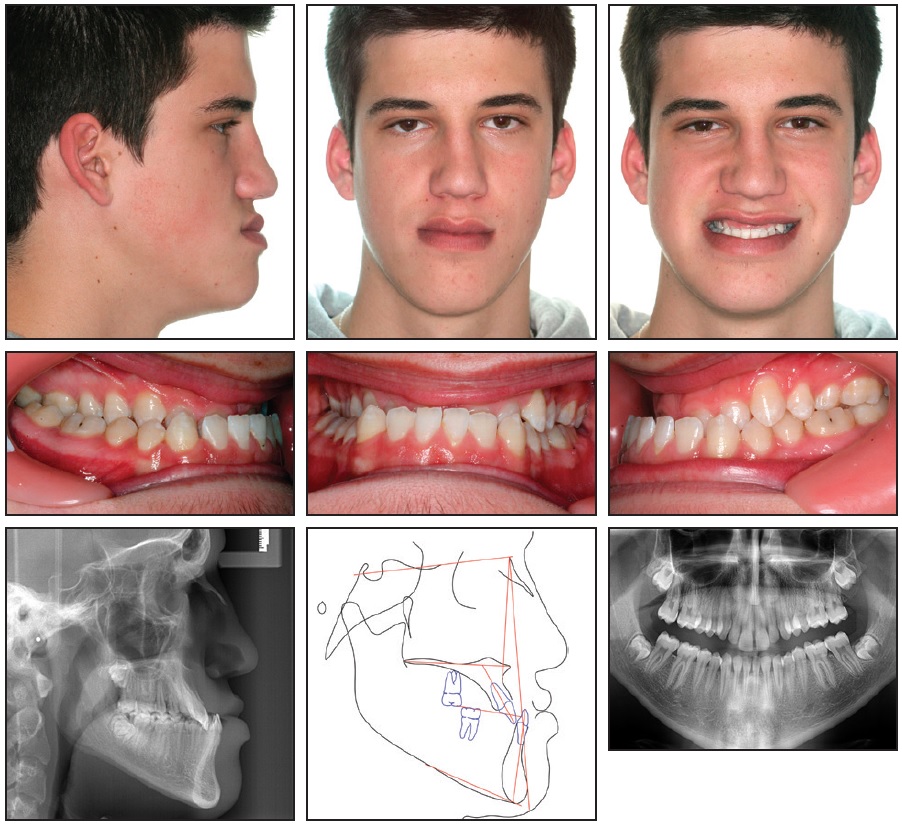
Nonsurgical Correction Of Severe Skeletal Class Iii Malocclusion Jco Online Journal Of Clinical Orthodontics

Angle S Classification For Malocclusions Dentalnotebook

Class Iii Malocclusion Flashcards Quizlet

Pdf Management Of Class Iii Malocclusion A Review With Report Of Four Cases Semantic Scholar
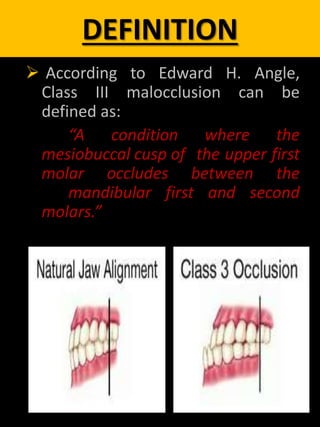
Class Iii Malocclusion

Angle S Classification Of Malocclusion Dentodontics
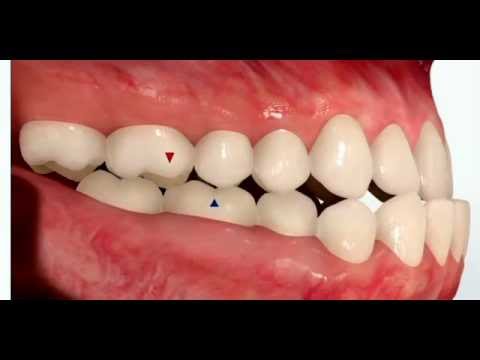
Class Iii Malocclusion Youtube
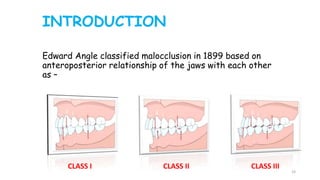
Management Of Class Ii And Iii Malocclusion

A Case Of Extreme Skeletal Class Iii Malocclusion Beyond The Envelope Of Discrepancy Managed Effectively By A Modified Ortho Surgical Protocol Jpras Open

Chris Chang Ortho 419 Class Iii Malocclusion With Anterior Crossbite Youtube

Before Treatment Records Of An Orthognathic Surgery Case With High Download Scientific Diagram

Class Iii Malocclusion
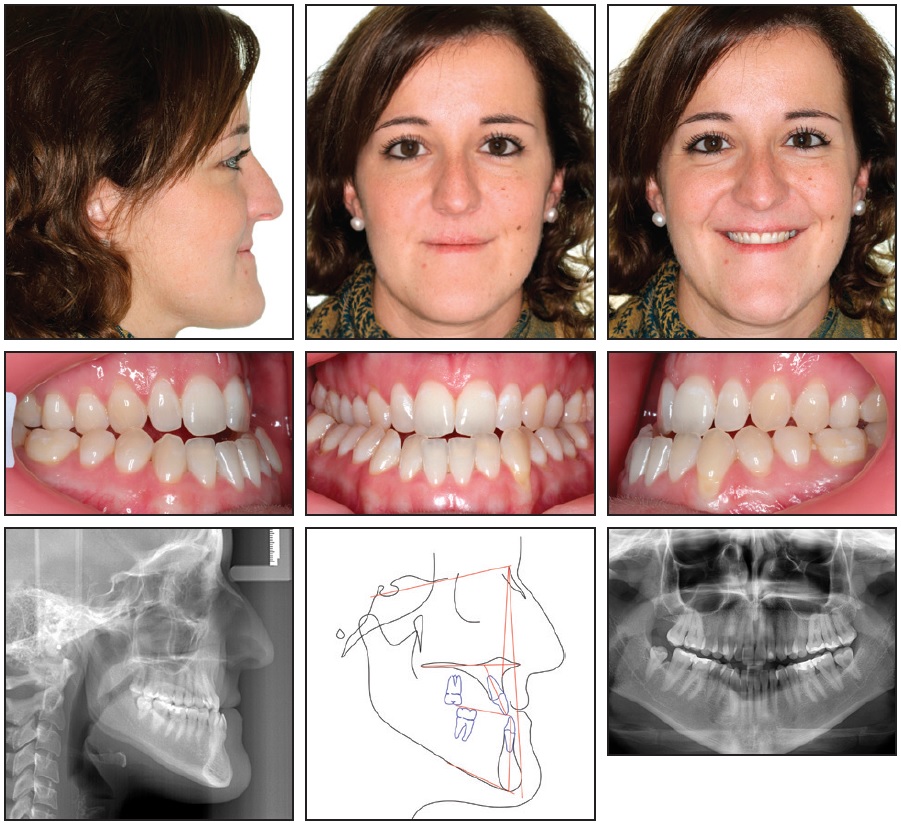
Nonsurgical Correction Of Severe Skeletal Class Iii Malocclusion Jco Online Journal Of Clinical Orthodontics
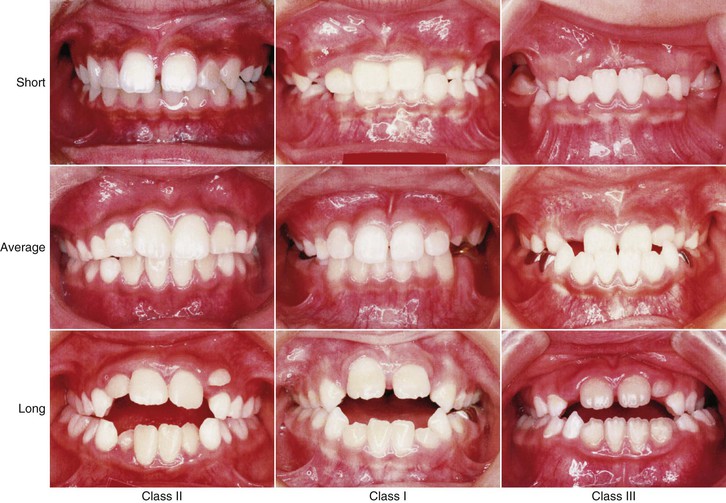
15 Clinical Practice Guidelines For Developing Class Iii Malocclusion Pocket Dentistry
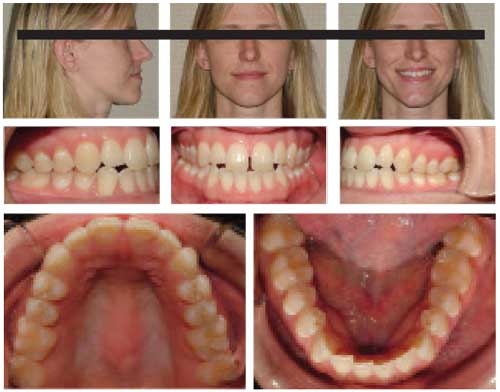
When The Class Iii Patient Says No Orthodontic Products
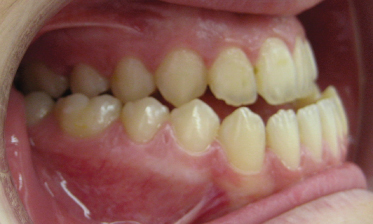
16 Class Iii Malocclusion The Evidence On Diagnosis And Treatment Pocket Dentistry